Metal Braces vs. Ceramic Braces: Which Option is Right for You?
There are numerous options for braces available on the market, making it difficult to choose the right one. To correct the misaligned teeth, two types of braces are popular, i.e., metal and ceramic braces. Each has its advantages, from durability and cost to aesthetics and comfort. Whether you are a teen or an adult looking to improve your smile, understanding these differences is key to making the best decision for your lifestyle and dental needs. In this blog, we will discuss the pros and cons of metal and ceramic braces, so you will be better equipped to choose the option that suits you best.
Which Braces Fit Your Smile Style?
Metal braces are the traditional and highly durable option. It is known for effectively treating a wide range of orthodontic issues. Ceramic braces, on the other hand, offer a more discreet, tooth-colored alternative favored by those concerned about appearance during treatment.
While metal braces tend to be more affordable and stronger, ceramic braces provide a more aesthetically pleasing look but may require extra care to avoid damage or staining.
Your choice depends on factors like budget, lifestyle, and the severity of your dental correction. Consulting with your orthodontist makes sure that you get personalized advice according to your smile goals.
Understanding Metal Braces
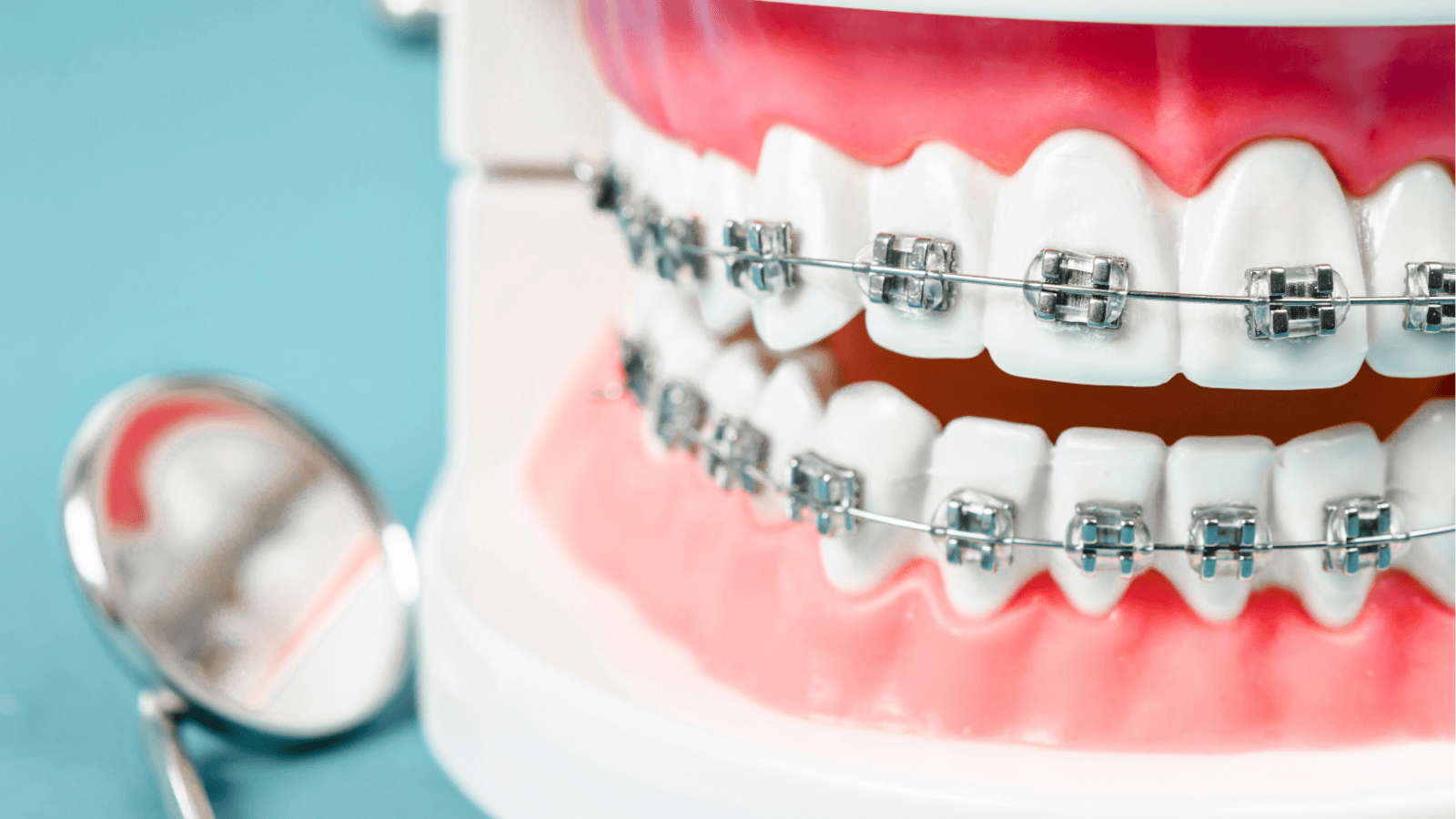
Metal braces consist of stainless steel brackets and wires attached to your teeth. They have been the standard in dentistry for decades due to their strength and effectiveness.
Metal braces can handle complex corrections, making them suitable for both teens and adults. Advances in design have made them smaller and more comfortable than before.
Many patients even customize their metal braces with colorful bands, turning treatment into a fun expression of personality. Their durability means fewer repairs and often a shorter treatment time.
Intro To Ceramic Braces
Ceramic braces use clear or tooth-colored brackets that blend with your natural teeth, making them less noticeable than metal braces. This option is especially popular among adults and image-conscious teens who want a subtler look.
Ceramic brackets are made from durable, tooth-safe materials, but they’re more delicate than metal and may chip or stain without proper care. While treatment times are similar to metal braces, ceramic braces may require more careful maintenance.
Despite these challenges, ceramic braces offer a great balance between aesthetics and orthodontic effectiveness.
Still Confused? Here’s a Simple Breakdown
We have talked about both types of braces, but if you are still unsure which one fits your needs, don’t worry. This quick comparison will help you see the main differences side by side.
SpecificationStandard BracesTooth-colored BracesAppearenceEasily visible with metallic brackets.Tooth-colored or clear, blends with teeth.LifespanExtremely strong and less likely to break.Not as strong and may chip more easily.ExpenseGenerally more affordableSlightly more expensive.Stain ResistanceDo not stain.Prone to staining when not maintained well.Correction TimelineOften shorter.Comfortable, but may take slightly longer.ConvenienceMay cause initial gum or cheek irritation.Smoother feel, often more comfortable.
Strengths and Limitations of Metal Braces
Before making a decision, it helps to weigh the strengths and limitations of each option.
Strengths
- Highly durable and less likely to break or chip
- Usually more affordable and often covered by insurance
- Effective for all types of orthodontic issues, including complex cases
- Smaller brackets are available today for better comfort
- Customizable with colored bands for a more personal or fun look
Limitations
- Very noticeable, which can be a concern for self-conscious patients
- May cause more irritation to cheeks and gums, especially early on
- Some patients find them less aesthetically pleasing
- Can make oral hygiene slightly more challenging
- Might reflect light, making them stand out in photos
Strengths and Limitations of Ceramic Braces
Ceramic braces offer a more discreet appearance, but they come with their own set of pros and cons. Here’s what to consider if you are leaning toward this subtle option.
Strengths
- Clear or tooth-colored brackets blend naturally with your teeth for a more subtle look.
- Generally smoother, with less irritation to soft tissues
- Popular among adults and teens seeking a low-visibility option
- Works similarly to metal braces in terms of effectiveness
- Suitable for patients who are appearance-conscious but need fixed braces
Limitations
- More fragile and prone to chipping or breaking
- Without proper care, the brackets may become stained over time.
- Tends to be more costly than conventional braces.
- Require more careful maintenance and dietary awareness
- Not always ideal for severe or complex orthodontic corrections
Key Points to Keep in Mind When Selecting Braces
Still unsure which type of braces fits your needs best? Here are a few personal and practical factors that can help you make the right choice:
- If you want your braces to be less noticeable, ceramic braces are a better choice. Metal braces are more visible but can be customized with colors.
- If you lead an active lifestyle or have complex dental issues, metal braces offer more strength and fewer repairs.
- Metal braces are generally more affordable and often better covered by insurance plans. Ceramic braces come at a premium price.
- Ceramic braces require diligent cleaning to avoid staining. Maintaining metal braces is generally simpler.
- Both options offer similar timelines, but ceramic braces may require more visits for repairs.
Closing Remarks
Choosing between metal braces and ceramic braces ultimately depends on your unique needs, lifestyle, and budget. Metal braces offer durability and cost-effectiveness, while ceramic braces provide a discreet, aesthetically pleasing option. At Caswell Orthodontics in Honolulu, we understand that every smile is unique. Our expert team is here to guide you through your orthodontic journey, helping you select the best braces option to achieve your dream smile confidently and comfortably. Book your consultation now at Caswell Orthodontics, your perfect smile is just a step away!
Things People Often Ask
Can people of all ages get braces?
Age isn’t a barrier when it comes to getting braces. Braces can be effective for children, teens, and adults alike. Many adults are now choosing braces to improve their smiles later in life. Your expert can evaluate your dental health and recommend the best treatment regardless of age.
Can I switch from metal braces to ceramic braces during treatment?
Switching is possible but not common. It depends on your orthodontist’s evaluation and the stage of your treatment. Keep in mind that switching may add cost and slightly extend your treatment time.
Will wearing braces affect my speech or eating habits?
Initially, braces may cause slight changes in speech and require some dietary adjustments, but most patients adapt quickly. Soft foods and careful chewing help ease this transition. With time, your tongue and mouth muscles adjust naturally, and any speech changes usually disappear within a few days.