How to Know If Your Child Needs an Orthodontic Evaluation
You are brushing your child’s teeth one evening and notice something strange: a tooth seems to be coming in at an angle, and their jaw looks a little off. You wonder, “Is this normal? Do I need to do something?” Many parents assume that orthodontic treatment, like braces, is only for teenagers. But did you know that your child’s first orthodontic evaluation should happen much earlier, around age 7? In this guide, we will walk you through how to recognize the early signs that your child might need an orthodontic check-up and why early care can make a big difference in your child’s smile and overall well-being.
Why Timing Is Everything in Orthodontics
You might not notice any major issues in your child’s teeth yet, and that’s exactly why early orthodontic evaluations are so valuable. By the age of 7, most children have a combination of baby teeth and emerging adult teeth. It is the perfect time for orthodontists to assess their development.
At this stage, specialists can observe how the jaw is growing, spot early bite problems, and determine whether there’s enough space for permanent teeth to come in properly.
Acting early allows for timely intervention, often making future treatment simpler and more effective. Waiting too long could mean missing the ideal window to guide growth and prevent more complex issues later on.
Expectations at Your Child’s First Dental Visit
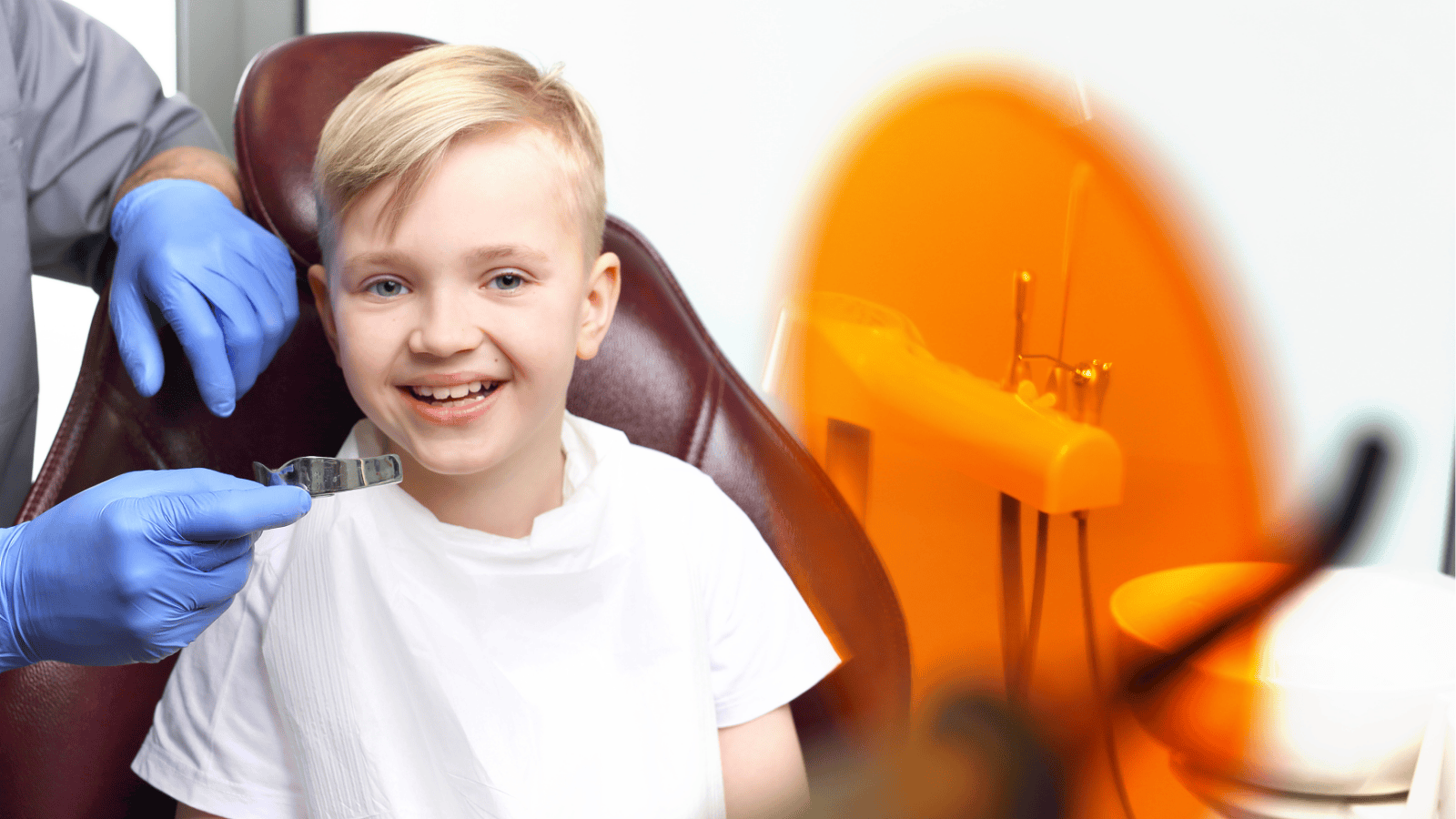
It’s not about jumping into braces. It’s about understanding your child’s dental growth and planning. The first evaluation is a simple, informative step that helps set the stage for future care and avoids surprises later. A typical first visit includes:
- A gentle examination of your child’s teeth and jaw alignment
- X-rays or digital scans to check how the teeth are developing
- A discussion with parents about any habits, such as thumb-sucking or mouth breathing, and any concerns
- A plan for regular check-ins to monitor changes over time
- Tips for healthy dental habits and guidance on what to expect in the coming years
Most children won’t need braces right after their first visit. Instead, the specialist may suggest a “watchful waiting” approach, keeping an eye on things as your child grows, so that if treatment is needed, it happens at just the right time for the best results.
Signs You Shouldn’t Ignore
Here are real-world red flags parents often miss that may signal your child needs an orthodontic evaluation. Spotting these signs early can help prevent bigger problems later, and often makes treatment easier and less invasive.
Mouth Breathing at Night
If your child breathes through their mouth while sleeping, it could be due to jaw or bite issues. Over time, this can lead to dry mouth, cavities, and even changes in facial development.
You might also notice snoring, restless sleep, or daytime fatigue as additional warning signs.
Jaw Pain or Teeth Grinding
Grinding, clenching, or waking up with a sore jaw may be signs of bite misalignment. Left unchecked, this can cause headaches, enamel wear, and jaw joint problems.
If your child complains about chewing discomfort or avoids certain foods, don’t ignore it.
Baby Teeth Falling Out Early or Late
When baby teeth fall out too soon or stick around too long, it may disrupt how adult teeth grow in. This can lead to crowding or crooked teeth. Timely evaluation helps permanent teeth come in at the right place and time.
Uneven Facial Appearance
Changes in facial balance, like a protruding chin or fuller cheek on one side, may signal jaw growth issues. Early correction can sometimes prevent surgery later. Watch for shifting bites or difficulty closing the mouth comfortably.
Gaps or Tight Crowding
Too much or too little space between teeth might look normal now, but can lead to future alignment problems. Even spacing helps permanent teeth grow in properly. Sudden changes in spacing, especially after losing a tooth, can be an early red flag.
How Early Orthodontics Can Help
Catching orthodontic issues early gives your child the best chance at long-term oral health and fewer complications later in life. Early care is often easier, more effective, and less costly than waiting until problems become severe.
- Shorter and simpler treatments
- Avoiding surgery or tooth extractions later
- Proper speech development and chewing function
- Boosted confidence with a healthy-looking smile
- Guidance for correcting harmful oral habits early on
Plus, early planning helps families budget, prepare, and avoid the stress of last-minute decisions when things get worse. With timely care, you are not just fixing teeth; you are setting the foundation for a healthier future.
What If My Child Doesn’t Need Braces Now?
That’s perfectly fine, and in fact, it’s often the case for many children. Early evaluations aren’t about rushing into treatment; they are about getting expert insight into your child’s dental development. Your orthodontist may simply recommend occasional check-ins to monitor how your teeth, bite, and jaw are growing over time.
Think of it like a wellness visit for your child’s mouth; staying proactive helps catch any issues before they become harder (and more expensive) to treat. Even if no treatment is needed now, you will gain peace of mind and a personalized plan for the future.
When Should You Schedule?
Timing does matter when it comes to your child’s smile. A quick evaluation can help detect subtle issues that may not be visible yet but could affect future growth and alignment. Here’s a simple guide to help you decide:
- Age 6–7: Book an initial evaluation, even if everything looks normal
- If you notice any signs: Crowding, speech problems, or bite issues, it’s best not to wait
- Family history of orthodontic issues: Consider scheduling even earlier to stay ahead
Early action now can lead to smoother, shorter treatment later, and often prevents bigger problems down the road.
The Bottom Line
Orthodontic evaluations aren't just about straight teeth. They are about laying the foundation for a lifetime of oral health, comfort, and confidence. By scheduling a check-up around age 7, you are helping your child avoid future complications and giving them the best possible start. At Caswell Orthodontics in Honolulu, we focus on early orthodontic care with a gentle, child-friendly approach. If you are noticing any unusual changes in your child’s smile or simply want peace of mind, book a consultation with our team. We are here to guide your child’s journey to a healthier, happier smile, one step at a time.
FAQs
Can orthodontic problems affect my child’s overall facial growth or airway development?
Yes. Certain orthodontic issues, like a narrow palate or misaligned jaws, can influence facial structure and even restrict proper airway development. In some cases, early intervention can support better breathing, sleep quality, and balanced facial growth.
Are there any digital tools or technologies used during early orthodontic evaluations?
Absolutely. Many modern orthodontic practices use 3D digital scans, panoramic X-rays, and AI-assisted imaging to assess jaw growth and tooth position. These tools offer precise diagnostics with minimal discomfort and help parents visualize potential issues early on.
Can genetics alone determine if my child will need orthodontic treatment?
Genetics play a strong role, but they aren’t the only factor. Habits (like thumb-sucking), breathing patterns, premature tooth loss, and even poor oral posture can influence dental development. That’s why an early evaluation considers both hereditary and environmental factors.