The Role of Retainers: Why They’re Just as Important as Braces
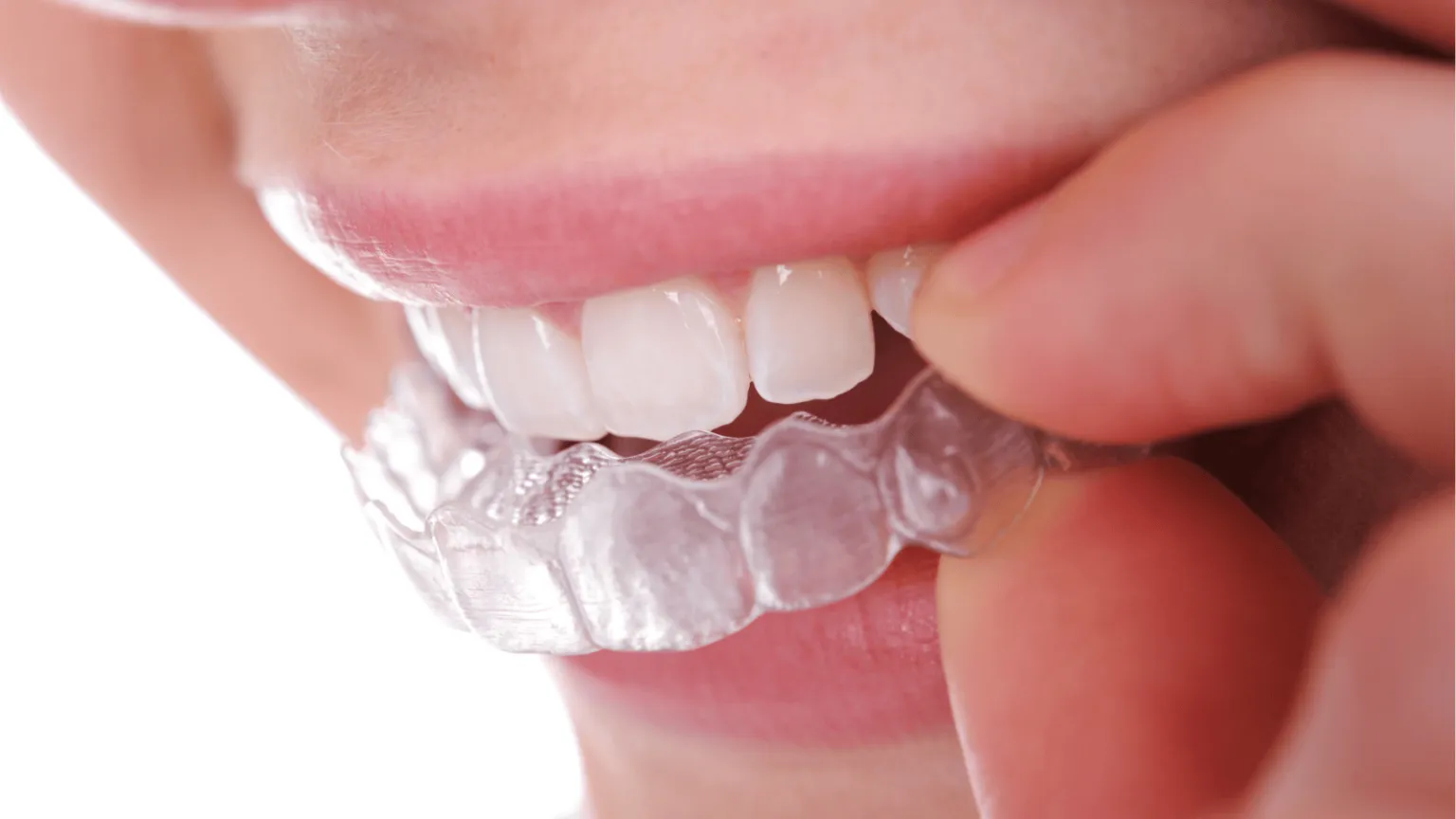
You finally got those braces off, freedom, right? No more wires poking your cheeks or those “no popcorn” rules. It’s tempting to think the hard part’s over. But here’s the surprise. The next phase matters just as much. Miss it and, well, your teeth might start wandering back to where they came from. Sounds unfair after all that effort, doesn’t it? We get it. But that’s exactly why retainers matter so much. In this blog, we will discuss what retainers actually do, why you can’t skip them, and how to keep your smile in line for years.
Why Wearing A Retainer After Braces Still Matters
Braces move teeth slowly and carefully into their ideal spots. But the bone and gums around your teeth need time to lock those teeth in place. According to the American Association of Orthodontists (AAO), without a retainer, teeth can shift back in as little as a few weeks. Imagine spending years straightening your smile only to watch it drift. Not fun.
Picture it like you are building a sandcastle. Bracing is the building phase. The retainer? That’s the wall that stops the tide from washing it away.
Different Kinds Of Retainers You Could Have
There isn’t a single “one-size-fits-all,” and that’s actually a plus.
Removable retainers: The classic choice. Usually clear plastic or a wire across the front. You slip them on before bedtime. Easy to clean and easy to lose.
Fixed retainers: A thin wire glued to the back of your front teeth. You forget it’s even there until you try to floss.
Clear aligner-style retainers: Look like Invisalign trays. Practically invisible but needs daily cleaning.
Your orthodontist will match the retainer to your teeth and lifestyle. Someone who snacks at midnight? Removable might be better. Hate remembering? Fixed could be the win.
How Long You Will Wear It (and Why That Changes)
A 2021 review in the American Journal of Orthodontics found that 70% of patients see noticeable shifting within the first year if they skip their retainer.
Most orthodontists suggest full-time wear for the first few months, then night-only for, well, pretty much forever. Harsh? Maybe. But think of it like brushing, you don’t stop because you are “done” with teeth.
Making Retainers Less of a Hassle
Nobody loves chores. But a few habits make life easier:
Carry a case with you. Napkin wrapping = lost retainer.
Clean with gentle soap, not toothpaste (it scratches).
For fixed wires, use floss threaders or water flossers. Yes, it’s fiddly.
And if you ever feel the fit getting tighter or notice cracks, call your orthodontist fast. Tiny issues can turn into major issues.
Popular Myths People Still Believe
“My teeth feel steady now, so I’m finished.”
Not quite. Teeth keep changing as you age, like hair or skin.
“I will just wear it when I remember.”
Unfortunately, teeth remember every gap. Skipping nights lets them drift.
“Retainers will always feel uncomfortable.”
Usually just a day or two of pressure when you first start or after a break.
What Takes Place If You Don’t Wear Your Retainer?
This isn’t scare talk, just reality. Without a retainer, you risk:
Crowding is coming back within months.
Bite issues that mess with chewing or speech.
Paying again for braces or aligners.
And studies show that relapse can start in as little as 48 hours after brace removal. Yes, two days.
In a Nutshell,
Braces get you the smile, retainers help you keep it. Simple. Don’t let months or years of work slide backwards because of a little nightly habit. If you are in Honolulu and want expert advice or need a new retainer, Caswell Orthodontics is ready to help. We will check the fit, guide you on wear time, and make sure your grin stays exactly the way you like it. Think of it as the final step that protects every ounce of effort (and every dollar) you already invested. A few minutes each night can save you from starting the whole process over. Your future self and your smile will thank you for sticking with it.
FAQs
Can a retainer fix minor shifting if I have already skipped months?
Sometimes. If the movement is tiny, wearing it more might help. But bigger shifts usually need a professional check.
How often should I replace my retainer?
Clear plastic ones typically last 1–3 years. Fixed wires can last much longer if you avoid chewing hard stuff.
Is it normal for my speech to sound different at first?
Yes, especially with a removable retainer. Most people adjust within a week.