How Pediatric Sleep Dentistry Helps Kids Sleep and Smile Better
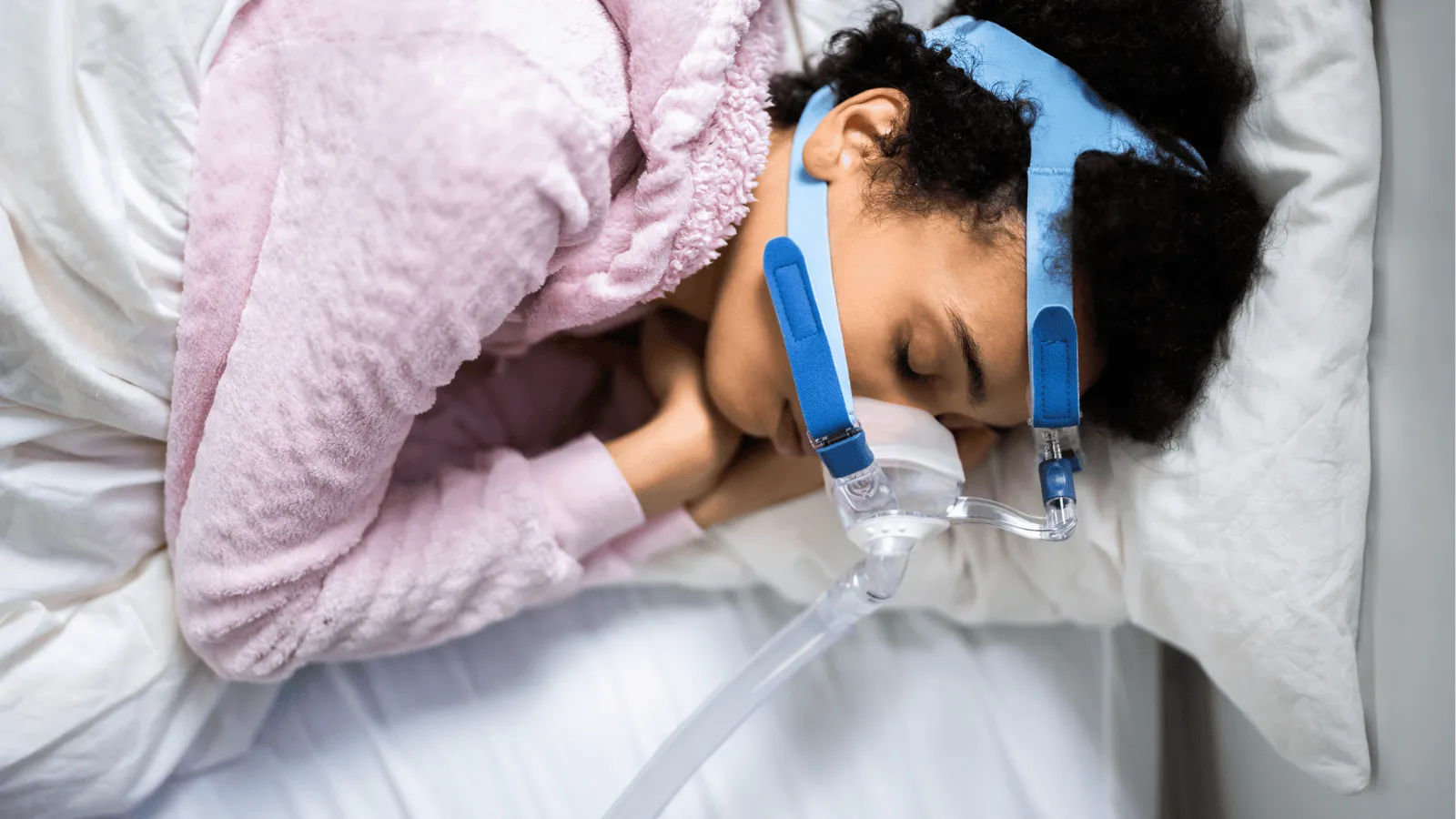
If you have ever watched a child sleep, you know how peaceful it should look. Soft breathing, tiny snores, and that totally relaxed, snuggled-in pose. But sometimes, it’s not like that at all. Sometimes a child tosses, gasps, snores loudly, or wakes up cranky every morning. And you are left thinking, “Is this normal, or is something off?” We have been there with kids, honestly, it’s scary when sleep doesn’t look right. That’s where pediatric sleep dentistry sneaks into the picture. A field most parents don’t even know exists. In this blog, we will talk about how dentists who specialize in children’s airway health can literally change a child’s sleep and their smile.
Airway Impact
Imagine this: your child’s mouth, jaw, tongue, and airway are all part of the same sleep system. If one part is too small, too tight, or not growing right, breathing at night gets tough. Pediatric sleep dentistry looks at this entire system.
These dentists check if the jaw is narrow, the tongue is blocked, or the airway is collapsing during sleep. They use gentle treatments to widen the jaw, guide growth, help kids breathe through their nose, and reduce nighttime breathing problems.
They are not just fixing teeth. They are helping oxygen flow better. And when kids breathe better, they sleep deeper, behave better, and even grow better. It’s a bigger deal than most parents realize.
Mouth/Jaw Connection To Sleep
It sounds odd at first. Sleep issues starting in the mouth? But think about it: a child with a tiny jaw doesn’t have enough room for their tongue. So at night, that tongue falls back, blocks the airway, and suddenly breathing gets noisy, broken, or stressful.
Here are a few simple reasons this happens:
Small jaws from soft diets. Kids don’t chew as much as before, so their jaws grow less.
Mouth breathing. Allergies, blocked noses, or habits can make kids breathe through the mouth, changing their jaw and face shape.
Low tongue posture. Tongue resting low instead of against the roof of the mouth narrows the palate.
Enlarged tonsils or adenoids. These can crowd the airway, making breathing harder.
Once you see it, you can’t unsee how everything is connected.
Signs Your Child May Have Sleep Issues
Not every kid who snores has a problem, but certain habits shouldn’t be ignored. Here are simple clues that something might be off at night:
Loud snoring or gasping during sleep
Restless tossing or frequent waking
Mouth breathing during the day
Morning headaches or daytime sleepiness
Behavioral changes such as irritability or attention problems
Smile Benefits
When a child’s jaw develops properly, there’s room for the teeth to align without crowding, and the balance of the facial structure improves. Their smile appears fuller, their lips are at rest, and confidence comes more naturally.
Early care of airway and jaw issues can also cut down the need for extensive orthodontic treatment later. Guiding growth now will lead to healthier teeth and more comfort in general as your child becomes older.
It can even help them breathe more easily at night and sleep more soundly, waking up with renewed energy. Over time, these small changes can make a big difference in both health and happiness.
Treatment Options That Work
Every child’s sleep and airway needs are a little different, so treatment is according to them. Here’s a simple look at the most common approaches pediatric sleep dentists use to help kids breathe and sleep better.
Expanders for Airway Growth: These widen the upper jaw slowly. No pain, just pressure. And when the jaw widens, the airway widens too.
Myofunctional Therapy: Basically, tongue and facial exercises. Kids usually think it’s fun. It teaches you to breathe and use your muscles properly.
Habit Correction: Fixing mouth breathing, thumb sucking, poor tongue posture, etc.
Oral Appliances: Small, custom devices that guide growth and keep the airway open.
Coordinating with ENT Specialists: If tonsils or adenoids are huge, dentists work with ENT doctors.
It’s not a one-size-fits-all thing. Every kid gets a personalized plan.
Why Correcting This Early Matters
Kids are still growing bones, muscles, the airway, the bite, everything. So if something is off now, it affects:
Facial development
Breathing habits
Dental alignment
Brain development
Deep sleep cycles
Focus and mood
Even academic performance
Why Parents Don’t Notice These Problems Early
Most parents don’t see sleep issues as a dental problem. If a child snores, they assume it’s cute. If a child sleeps with their mouth open, they think, “Oh, he’s tired.” But sleep dentistry helps parents see what’s really going on. Once you understand how the airway works, you start noticing small things like:
Lips constantly open
Tongue sticking out during rest
Chin looking pushed back
Crowding in baby teeth
And suddenly, all of it makes sense.
Final Thoughts
Pediatric sleep dentistry isn’t some fancy buzzword. It’s a real, gentle, science-backed approach that helps kids breathe better, sleep deeper, grow healthier, and smile more confidently. If you are in Honolulu and you have noticed snoring, mouth breathing, restless nights, or even early signs of crowded teeth, it may be time to get your child checked. Caswell Orthodontics specializes in airway-focused care for kids. We can evaluate your child’s breathing, jaw growth, and dental health. All in one friendly visit. Book a pediatric airway evaluation with us. We help your child sleep better, grow better, and smile brighter.