Can I Wear Braces If I Have Periodontal Disease?
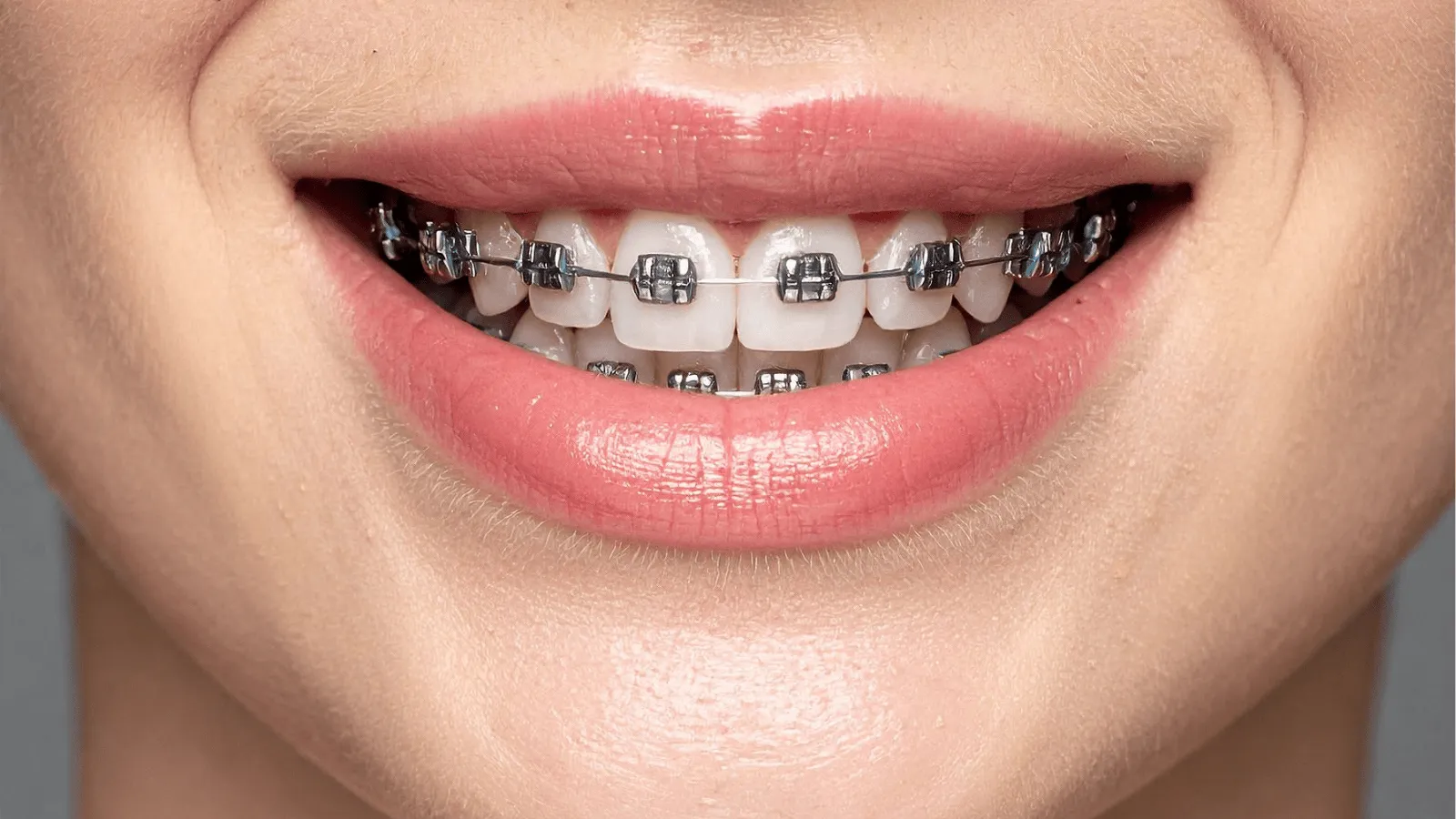
If you have ever wondered whether braces and gum disease can exist in the same mouth. You are not alone. Many people experience bleeding gums and loose teeth, but still desire a straighter smile. Nobody wants to feel stuck with crooked teeth for the rest of their life. Sometimes patients look nervous when they ask this question, like they already expect the answer to be “Nope. Not possible.” But things aren’t always that black and white. In this blog, we will explain whether braces are safe with periodontal disease, what needs to happen first, and how treatment usually works. And we will also clear up some myths that float around the internet.
Can You Actually Get Braces With Gum Disease?
Yes. You can get braces if you have periodontal disease, but not right away.
Your gums need to be stable, calm, and infection-free first. Because if braces move teeth while the bone is weak, things can go wrong fast. Like teeth loosening or moving in the wrong direction, or bone shrinking more.
Gum disease must be treated first. Braces come after. Once your gums are under control, orthodontic treatment can actually help keep them healthy by making cleaning easier.
Why You Shouldn’t Put Braces On Active Gum Disease
You might wonder, “If my teeth are crooked, won’t braces help me clean better and fix everything?” We wish it worked that way.
Braces put pressure on your teeth. That pressure travels straight to the bone. If the bone is already weak because of infection, that force becomes risky.
Here’s what can happen if braces go on too early:
Teeth may loosen faster.
Bone may dissolve more.
Gums may recede even more.
Treatment may fail halfway through.
You might even lose teeth you could have saved.
And nobody wants that.
What Needs to Happen Before Braces
Think of this part like preparing the ground before building a house. You want a strong foundation, right? Same story with your gums. Here’s what usually needs to happen:
Periodontal Treatment
A periodontist removes the bacteria trapped under the gums. Your gums get less inflamed. Bleeding reduces. Bone loss can slow down.
You will probably notice your mouth feeling lighter and cleaner within a couple of weeks. This step sets the stage for everything that comes after.
Home Care Upgrade
And yes. This part matters. Switching to an electric toothbrush, using a water flosser, and proper flossing technique makes a huge difference.
Even small daily habits can decide whether your gums stay stable or get inflamed again. Think of this as your part of the teamwork. The part only you can control.
Stability Check
Your gums should not bleed every day. Pockets should be reduced. The periodontist will confirm if things are stable. Once stability is confirmed, orthodontics becomes safe again.
Sometimes they will repeat X-rays or measurements just to be sure nothing’s progressing. When they finally give the green light, you know your foundation is strong enough for braces.
How Treatment Changes With Gum History
When gums have been through disease before, orthodontic care doesn’t follow the usual script. We adjust things, slow things down a bit, and keep a closer eye on how your gums respond. It’s all about protecting what you have already healed.
Slower and gentler tooth movement to avoid stressing weakened bone
More frequent cleanings. Every 3 months instead of 6.
Continuous communication between your orthodontist and periodontist
Extra focus on retainers because your bone support needs long-term stability
Clear Aligners Better Than Traditional Braces
Yes. Sometimes. Aligners can be taken out for brushing and flossing. It makes oral hygiene easier. But they are not always the perfect choice.
Aligners are better if:
You have had moderate bone loss.
You struggle with cleaning around brackets.
You prefer gentle tooth movement.
You want easier check-ups.
Braces may still be better if:
You have severe crowding.
You need complex bite corrections.
You tend to lose removable trays.
Signs Your Gums Are Ready for Braces
If you are wondering, “Okay, but how do I know mine are stable?”, here are a few clues:
Bleeding has reduced dramatically.
Gums look pink, not red.
No new bone loss on recent X-rays.
Teeth don’t feel wiggly every day.
Your periodontist says, “We are good to go”.
That last one matters the most.
Let’s Clear Up a Few Myths
“Braces will ruin my gums.”
Not true. Untreated gum disease ruins gums. Not braces.
“If my teeth are loose, braces can tighten them.”
Actually, the opposite. Braces don’t tighten loose teeth. Healthy gums do.
“I will lose teeth during treatment.”
If your gums are stable before starting, tooth loss is extremely unlikely.
End Note
You can wear braces even if you have had periodontal disease, as long as you treat the disease first. Healthy gums are the foundation. Braces are what you build on top of that. And when both are handled properly, you end up with a smile that looks good, works well, and stays healthy long-term. If you are in or around Honolulu and you have been wondering whether braces are still an option for you, we’d love to guide you gently through the process. Caswell Orthodontics in Honolulu is experienced with periodontal-sensitive cases, and we are here to make sure you get both safe and beautiful results. Reach out anytime your smile still has a future.